



Learn how to license Toad DevOps Toolkit, the solution from Quest that makes it easy to execute key database development functions within your DevOps workflow —without compromising quality, performance or reliability.

About the Author
John Pocknell is a senior market strategist at Quest Software and part of the Information Management business unit. Based at the European headquarters in the U.K., John is responsible for synthesizing analyst data and customer interviews in order to create and evangelize solutions-based stories and messaging which relate to major IT initiatives for our extensive portfolio of database products, worldwide. He has been with Quest Software since 2000, working in the database design, development and deployment product areas and spent over 10 years as product manager for the Toad product line. John has been successfully evangelizing Toad and other database solutions at various conferences and user groups around the world for the last 19 years as well as writing blogs and technical papers both internally and for the media. John has worked in IT for more than 30 years, most of that time in Oracle application design and development. He is a qualified aeronautical engineer with more than 10 years of experience in provisioning IT consultancy services and implementing quality assurance systems to ISO 9001.
Related Articles
Finding Flow with High Collaboration
This is Flow The first time I found flow is an experience I'll always remember. Just around the turn of the century, I was asked to help Hitachi Data Systems improve the way they track, test, and mana...

Toad Data Point Transformation and Cleanse – Part 2
This is part 2 of the Transformation and Cleanse videos. In my first video I went over the basics of the window, how to access and process data. In this video I will go over most of the rules. The...
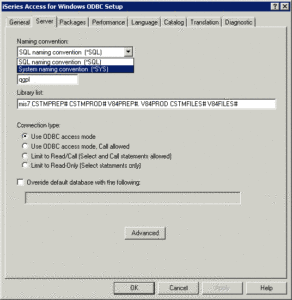
Connection issues when connecting to an iSeries (AS400) database via...
Recently I had a customer who contacted me with the following problem: I have made my data base connection to the iSeries (AS400) and can see my files and library list structure. When I go to access...